
Best Winter Hikes in Kitsap County (When Everyone Else Stays Home)
So here’s a confession: I actually prefer hiking in winter. I know that makes me sound like some kind of masochist who enjoys wet socks and gray skies, but hear me out. Last January 17th—I remember because it was the day after my birthday and I’d eaten way too much cake—I showed up at Green Mountain on a drizzly Tuesday afternoon and had the entire trail system to myself. Just me, the ravens, and approximately one million banana slugs having the time of their lives.
The parking lot at the Gold Creek Trailhead? Empty. The summit? Mine alone for a solid twenty minutes. I sat up there eating trail mix in the fog, watching the clouds roll over Hood Canal, and thought “this is why I live here.”
Look, I get it. Winter hiking in the Pacific Northwest sounds miserable if you’re not used to it. It’s cold-ish (though rarely freezing), it’s wet, it’s muddy, and the sun sets at like 4:30 pm. But if you can get past the psychological barrier of “hiking should only happen when it’s sunny,” winter in Kitsap is secretly the best hiking season.
Why Winter Hiking Is Actually Great (No Really)
First off: the crowds disappear. All those people who clog up the parking lots at Guillemot Cove in July? They’re at home watching Netflix. The trailheads that require a 45-minute wait for parking in summer? Pull right in. It’s glorious.
Second: the forest looks completely different in winter. The undergrowth dies back, so you can see deeper into the woods. The moss gets impossibly green after all that rain. The light is softer, more atmospheric. Everything feels ancient and moody in that very Pacific Northwest way that’s hard to describe but you know it when you see it.
And third—this is important—you learn what your gear actually does. That rain jacket you bought three years ago and never tested? Winter will tell you real quick if it works. Those “waterproof” boots? Winter is brutally honest about false advertising. I went through three different Arc’teryx shells before finding one that actually held up in genuine PNW rain. The cheaper ones all eventually “wet out” and become useless. Now I swear by my Patagonia Torrentshell, which I bought used on eBay for like sixty bucks and it’s outlasted everything else.
The downside? The mud.
Oh god, the mud. We’re talking sticky, boot-sucking, “how did this get inside my rain pants” mud. My Merrell Moab 3s are permanently stained from December through March. Your car will be disgusting. You’ll need a dedicated mud room or your spouse will divorce you. But honestly, once you accept that mud is just part of the deal from November through March, it’s kind of liberating.
My Actual Winter Hiking Rotation
Green Mountain State Forest
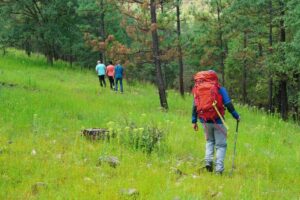
I hike Green Mountain year-round, but winter has its own vibe up there. The usual summer crowds thin out dramatically—I’ve had entire December afternoons where I saw maybe three other people on the Gold Creek Trail.
The catch: winter means mud. Like, really serious mud. The trail gets chewed up by mountain bikers and rain, and there are sections where you’re basically choosing which muddy line looks least terrible. I’ve learned to just commit to ruining my boots and move on with my life.
But the payoff is worth it. When you break out of the trees at the vista and look west toward the Olympics with storm clouds rolling through? That’s the stuff. I stood up there on February 8th last year watching snow squalls sweep across Hood Canal while I was still in just rain gear—it was maybe 42 degrees, windy as hell, and I couldn’t stop grinning like an idiot. Very dramatic. Very PNW.
The Washington Trails Association posts regular trip reports with current trail conditions, which is super helpful in winter when things can change fast.
Guillemot Cove Nature Reserve
Guillemot in winter is magical, but you need to be strategic about timing. That meadow at the bottom that floods after heavy rain? It’s basically a small lake from November through February. I’ve learned to check the weather history before going—if it’s been raining hard for three days straight, skip it or wear waders.
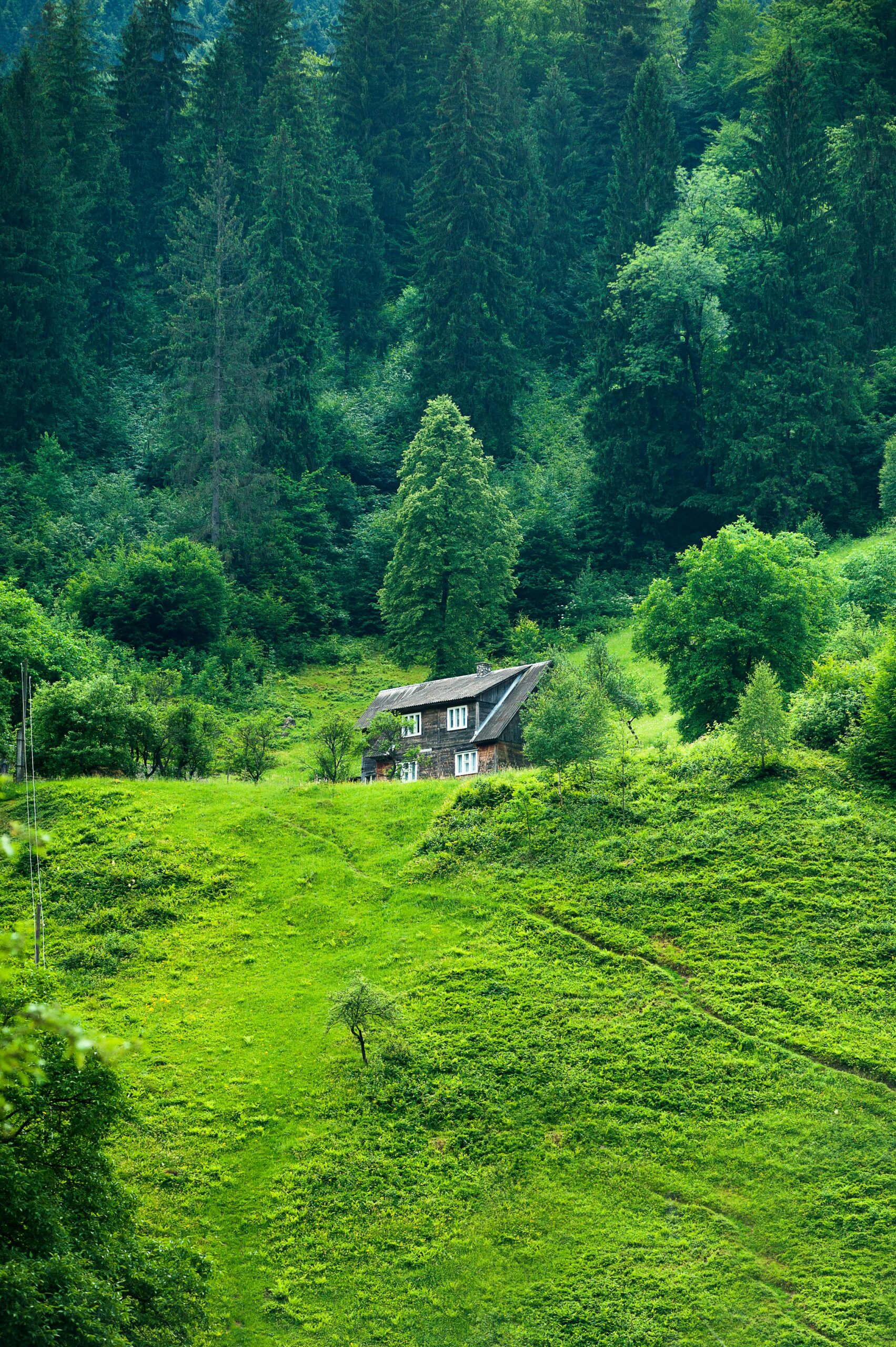
But on a good winter day (which in Kitsap means “light drizzle with occasional breaks”) the cove is stunning. The beach is empty. The Stump House looks extra fairytale-ish with moss dripping everywhere. The Olympic views are bonkers when the mountains are snow-covered and you’re standing at sea level watching storm clouds swirl around The Brothers.
I saw three eagles hunting in the cove last December 3rd. Just gliding low over the water, totally unbothered by me standing there like a slightly damp tourist. I had my Nikon Monarch 7 binoculars with me—best impulse purchase I’ve ever made—and watched them for probably twenty minutes. Worth every soggy step down and every quad-burning step back up.
Clear Creek Trail (Silverdale)
This is my go-to “I have an hour and it’s pouring” hike. Clear Creek works well in winter because it’s flat so you don’t accumulate as much mud on your boots, it’s well-maintained even in the wet season, the salmon runs happen in fall and early winter, and it’s close enough to town that you can bail easily if the weather turns truly terrible.
I’ve walked sections of this trail in some genuinely miserable weather—sideways rain, near-freezing temperatures, wind that made me question my life choices. And you know what? It’s still pretty. The creek is full and rushing, the forest is that deep green that only happens when everything’s been soaked for weeks, and there’s something meditative about walking in bad weather by choice.
Plus, the post-hike hot chocolate at Hot Shots Java on Silverdale Way hits different when you’ve earned it.
Grand Forest (Bainbridge Island)
Grand Forest is great in winter precisely because it’s relatively flat and the trails don’t turn into complete mud pits like some of the steeper options. The extensive canopy means you’re somewhat protected from the worst of the rain, and the trail surface drains pretty well.
I hiked the Main Trail loop last January in legitimate fog—like, couldn’t-see-20-feet fog—and it was eerily beautiful. The forest felt massive and ancient. Every sound was muffled. I scared the hell out of a deer that I didn’t see until I was basically on top of it. We both screamed (okay, I screamed, the deer made more of a snorting noise) and then went our separate ways. I still think about that deer sometimes. I hope it’s doing well.
The ferry ride over from Seattle is also less crowded in winter, which is a nice bonus if you’re coming from the city. I’ve had entire ferry crossings where I stood outside on the deck in the rain watching the Olympics appear and disappear in the clouds. Very romantic if you’re into that moody Pacific Northwest aesthetic.
Port Gamble Forest Heritage Park
Port Gamble in winter is muddy. I’m not going to lie to you. This is a working tree farm, so the trails get beat up by weather and use, and winter makes everything worse. But that’s also why it’s empty, which I personally love. Multiple winter hikes there without seeing another soul. You get the idea.
My strategy: stick to the wider forest roads in winter rather than the singletrack trails. They drain better and are easier to follow. Also, download a map before you go because your phone will die faster in the cold and wet, and getting lost in the rain is much less fun than getting lost in sunshine.
Winter Hiking Gear That Actually Matters
I learned this the hard way over several miserable winter hikes: gear actually matters in the wet season. You can get away with mediocre equipment in summer, but winter will expose every flaw.
Your rain jacket is the big one. Don’t cheap out. You need something that actually keeps you dry while also breathing enough that you don’t end up swimming in your own sweat. I went through three jackets before finding one that works—the cheaper ones all eventually “wet out” and you’re basically wearing a wet garbage bag at that point.
Waterproof boots are non-negotiable. Not “water-resistant,” not “weather-proof,” but actually waterproof. And break them in before winter hits because blisters in the rain are miserable. I ruined an entire November hike at Guillemot because I was foolish enough to wear new boots.
Merino wool base layers changed my life. They stay warm even when damp, which is basically the entire winter hiking season in Kitsap. Cotton kills (or at least makes you really uncomfortable). I have like six Smartwool shirts now and my wife thinks I have a problem.
And gloves—your hands get cold and wet faster than you think. I keep a spare pair in my pack for when the first pair inevitably gets soaked.
I have a whole post about organizing hiking gear that goes into more detail, but the winter-specific stuff is crucial.
The REI rainwear guide has solid advice on choosing gear that actually works in PNW conditions.
Things Nobody Tells You About Winter Hiking
The daylight thing is real. Sunset in December is around 4:20 pm. That means if you start a hike at 2 pm, you have maybe two hours of usable daylight. I’ve had to rush down trails more times than I want to admit because I misjudged how long things would take. Bring a headlamp. Always. I use a Black Diamond Spot and it’s saved my ass multiple times.
Trail conditions change fast. A trail that was fine on Saturday can be a muddy disaster by Tuesday if it’s been raining hard. Check recent trip reports before you go. I use AllTrails for this—people are usually pretty good about posting current conditions.
Your car will be disgusting. Just accept this. I keep a tarp in my trunk and change out of muddy boots before getting in. I also have a towel dedicated to wiping down muddy dogs (or friends who forgot to bring a change of shoes).
Some trails close in winter. Logging operations don’t stop for rain, so trails in working forests like Port Gamble and Green Mountain sometimes have temporary closures. Check before you drive out.
But here’s the thing: you’ll have entire trails to yourself. There’s something deeply satisfying about having a trail that’s packed in summer completely to yourself in January. It makes you feel like you’ve discovered some secret place, even though it’s the same trail that hundreds of people hike in July.
When Winter Hiking Is Actually a Bad Idea
I’m all for hiking in the rain, but there are limits. If it’s been raining hard for multiple days and flooding is a concern, skip the low-lying trails. Guillemot Cove and any trail with creek crossings can get sketchy.
If there’s ice or snow on the trails and you don’t have traction devices (microspikes or similar), turn around. Kitsap doesn’t get a ton of snow, but when it does, unprepared hikers create rescue situations. Don’t be that person.
If you’re feeling genuinely cold and wet to the point where you’re shivering and can’t warm up, end the hike. Hypothermia is a real risk in the 35-45 degree rain zone that is Kitsap winter. The National Park Service has good info on recognizing the signs.
And if the wind is howling and trees are coming down? Stay home. Widow-makers are called that for a reason.
Why I Keep Doing This
My friend Sarah asked me last December why I bother hiking in winter when I could just, you know, wait for summer like a typical person. And honestly? Because winter hiking makes me feel more connected to this place.
Summer hiking is easy and beautiful and Instagram-worthy. Winter hiking is harder and wetter and requires actual commitment. But when you’re standing on a ridge watching storm clouds roll across the Olympics while rain drips off your hood, you’re experiencing the Pacific Northwest in its most authentic form. This is what it actually looks like here most of the year. I don’t know. Maybe that sounds pretentious. Maybe I just like being cold and wet and alone with my thoughts. Both things can be true.
Plus, there’s something deeply satisfying about being the only person on a trail, knowing that everyone else is inside staying warm and dry while you’re out experiencing the moody magic of a PNW winter. It feels like being let in on a secret.
And yeah, the hot shower afterward feels absolutely incredible.
For general PNW hiking tips that apply year-round (but are especially relevant in winter), check out my hiking safety guide.
Last Thing
If you see someone on the trail in winter—which is rare—say hi. We’re all out there for the same slightly masochistic reasons, and there’s a nice camaraderie that develops among winter hikers. We nod at each other like “yes, we’re both choosing to be soggy on purpose, isn’t this great?”
And if you see me—the guy taking way too many pictures of moss and muttering about how atmospheric everything looks—definitely say hi. I could probably use someone to confirm that this is, in fact, worth the muddy boots.
— Rob Kinsley