
Spring Wildflower Hikes in Kitsap County (What Blooms When)
I’ll be honest: I didn’t pay attention to wildflowers for my first few years of hiking. They were just… there. Pretty, I guess, but not something I thought much about. Then one April morning at Guillemot Cove, I looked down and realized I was standing in the middle of a carpet of trillium that hadn’t been there two weeks earlier. Hundreds of them, white petals catching the filtered light, and I’d almost walked right through without noticing.
That was the moment I started paying attention. And once you start noticing wildflowers, you can’t stop. Now spring is my favorite hiking season in Kitsap, specifically because of what’s blooming. The forest floor comes alive in a way that doesn’t happen any other time of year.
Here’s what I’ve learned about when and where to find the good stuff.
The Rough Timeline
Wildflower timing varies year to year depending on weather, but here’s the general pattern I’ve observed in Kitsap:
Late February to Early March: Skunk cabbage appears in wetlands. It’s not pretty—it’s weird yellow and kind of smells—but it’s the first sign that spring is coming. I get unreasonably excited every year when I see the first one. Also in this window: the earliest Indian plum (osoberry) starts blooming, with those white drooping flower clusters that smell faintly sweet.
Mid-March: Salmonberry flowers—pink and delicate. These are everywhere along trail edges and in clearings. Trillium starts appearing in shadier spots. Red-flowering currant begins its show.
Late March to April: This is peak season. Trillium everywhere. Fawn lily (with the spotted leaves and yellow nodding flowers) in certain locations. Pacific bleeding heart in shady areas. Wood violet. False Solomon’s seal starting up.
May: The forest floor show starts to wind down, but rhododendrons take over in some areas. Foxglove in disturbed areas and clearings (technically invasive but I can’t help finding them beautiful). Sword fern fiddleheads unfurling.
The National Park Service guide to Olympic wildflowers is helpful for identification since many of the same species grow in Kitsap.
Where to Go
Guillemot Cove Nature Reserve
This is ground zero for wildflowers in my experience. The trail down to the cove passes through mixed forest that absolutely explodes with trillium in April. The meadow at the bottom has a different mix—camas, buttercup, various grasses coming to life. The variety of habitats means variety of flowers.
Best timing: Mid-April for peak trillium. Go on a weekday morning if you can; the lighting is better and there are fewer people trampling through the flowers for photos.
I had a moment here on April 11th last year that I keep thinking about. The trail makes this little switchback through a particularly dense grove of bigleaf maples, and the entire understory was white with trillium. Hundreds of them, maybe thousands. I stood there for probably five minutes just looking. My wife would say I was being dramatic. She’s probably right.
Green Mountain State Forest
The lower sections of the Gold Creek Trail have good spring flowers. Not as dramatic as Guillemot, but you’ll see trillium, Pacific bleeding heart, and various violets along the trail edges. The mix changes as you gain elevation—it’s interesting to track what’s blooming at different heights.
Best timing: Late March through April for the best variety. By May the lower elevation flowers are mostly done.
I’ve written about Green Mountain a lot—it’s in my best hikes ranking for good reason—but spring specifically is when I love it most. The combination of new growth and clearing weather after the winter months just hits right.
Grand Forest (Bainbridge Island)
The bigleaf maple sections here have great spring flowers. Trillium, fawn lily in certain spots, lots of sword fern fiddleheads if you’re into those. The relatively flat terrain makes it easy to actually look around instead of watching your feet, which helps with flower spotting.
Best timing: April, especially after a few warm days. The ferry ride over is also nice in spring—more daylight, better weather, less crowded than summer.
Illahee Preserve
I don’t see Illahee mentioned as much for wildflowers, but the shady forest sections have good trillium and bleeding heart. The beach areas have their own coastal flowers later in spring. It’s worth checking out if you want something less crowded than the usual spots.
Best timing: Late March through April for the forest flowers.

How to Actually See Them
This sounds obvious but: slow down. I hike at what I’d call a “steady clip” most of the year, but in spring I force myself to walk slower and actually look at the ground. Most wildflowers are small and easy to miss if you’re moving at normal pace.
Also: look off the trail, not just on it. The best displays are usually set back from the path where foot traffic hasn’t disturbed things. Obviously stay on the trail and don’t trample anything, but let your eyes wander.
The lighting matters too. Early morning and late afternoon light makes colors pop more than harsh midday sun. Overcast days are actually great for flower photography because there are no harsh shadows. I talked about this in my misty morning hikes post—the soft PNW light that people complain about is actually perfect for this stuff.
Bring some kind of identification resource. I use the Seek app on my phone, which does a decent job with common species. There’s also iNaturalist for recording what you find, which is kind of fun if you’re into citizen science. Or just a good old field guide if you want to go analog.
The Flowers Themselves
I’m not a botanist but here are the ones I’ve learned to recognize:
Trillium: The star of the show. Three white petals (that turn pink as they age), three green sepals, three leaves. They’re unmistakable once you know what to look for. Please don’t pick them—they can take years to recover from being damaged. I get irrationally protective of trillium now. It’s a whole thing.
Pacific Bleeding Heart: Pink heart-shaped flowers hanging from arching stems. They like shade and show up in forest understories. Very delicate looking, which is probably why I like them.
Fawn Lily: Yellow nodding flowers on slender stems, with distinctively spotted leaves that look like—you guessed it—a fawn’s coat. These are harder to find but exciting when you do.
Salmonberry: Pink flowers on thorny shrubs along trail edges. They’re everywhere once you start noticing. The berries come later in summer and are edible (they taste like… kind of nothing, honestly, but they’re fun to snack on).
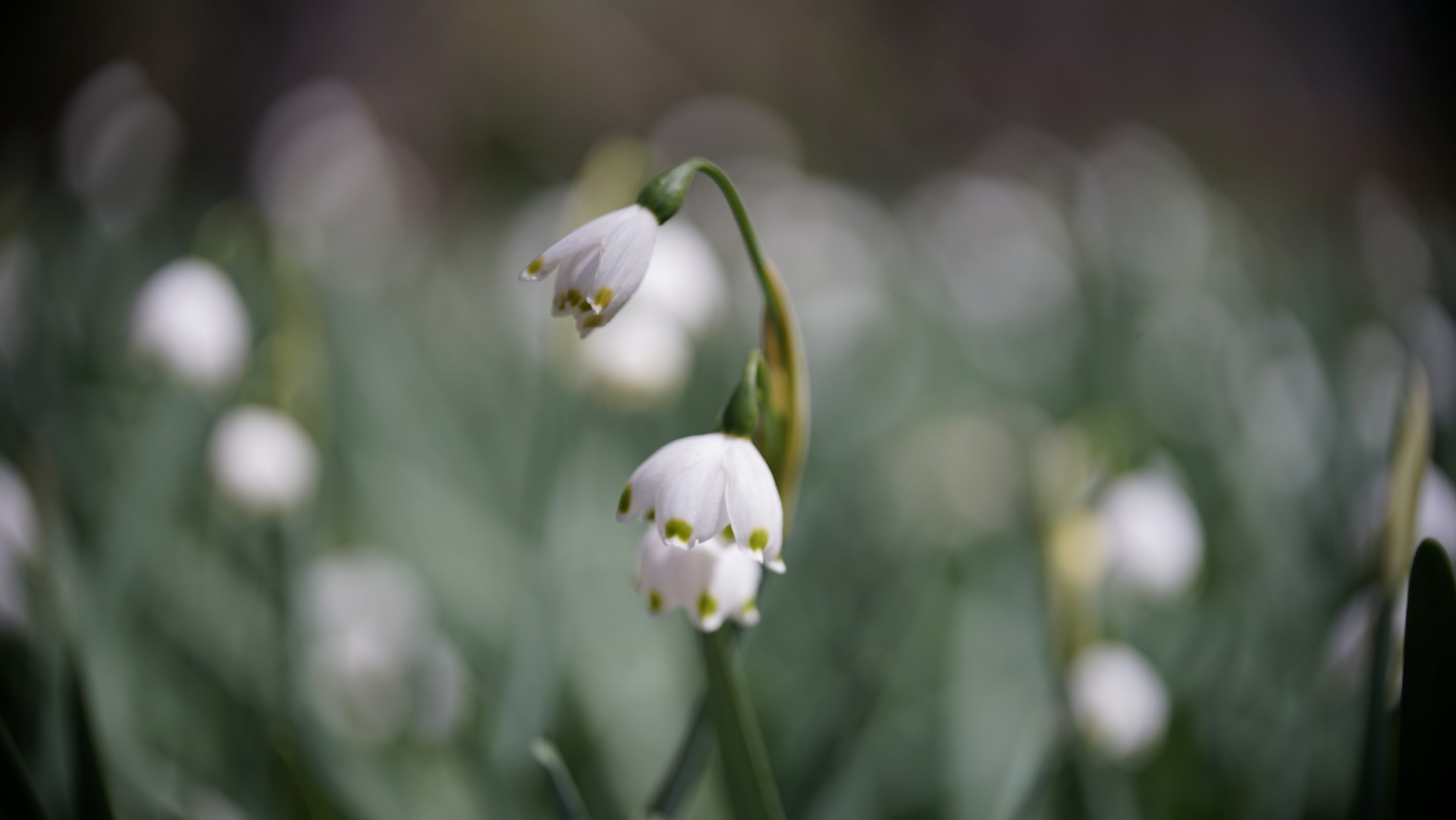
Indian Plum: One of the earliest bloomers. White flower clusters that droop down from branches. The whole plant smells sweet and distinctive.
Skunk Cabbage: The weird one. Yellow spathe surrounding a spike of tiny flowers, growing in wetlands. Smells faintly like… well, skunk. But it’s the first sign of spring so I’m fond of it anyway.
Don’t Be That Person
Some stuff that should be obvious but apparently isn’t, based on what I’ve seen people do:
Stay on the trail. Trampling through a flower display to get a photo destroys the thing you’re trying to photograph. Use a zoom lens or just appreciate from a distance.
Don’t pick them. Many spring wildflowers are slow to reproduce and can take years to recover from being picked. The whole “take only photos, leave only footprints” thing applies extra hard here.
Don’t dig them up to transplant. Yes, people do this. No, it’s not okay. Many of these plants have specific soil and light requirements and will just die in your garden anyway.
Keep dogs on leash during peak bloom. I love dogs on trails but a dog running through a trillium patch is a small tragedy.
Why This Matters to Me
I used to think hiking was about the destination—the viewpoint, the summit, the beach. Wildflower season taught me that sometimes the trail itself is the point. That slowing down and paying attention to small things is its own reward.
There’s something about watching the same trail transform through the seasons that makes you feel connected to a place in a way that one-off visits don’t. I know when the trillium will appear at Guillemot now. I know which section of the Green Mountain trail gets the best fawn lily. It’s local knowledge that only comes from showing up repeatedly and paying attention.
This connects to what I wrote about in why old forests feel different—there’s a depth of relationship with place that develops over time, and wildflower season is part of how that relationship builds.
If you’ve never done spring hiking specifically for flowers, try it this year. Pick one of these trails, go in mid-April, and just… walk slowly. Look around. See what you notice. The flowers have been doing their thing for thousands of years whether anyone watches or not. But watching makes it real in a way that’s hard to explain until you experience it.
— Rob Kinsley