
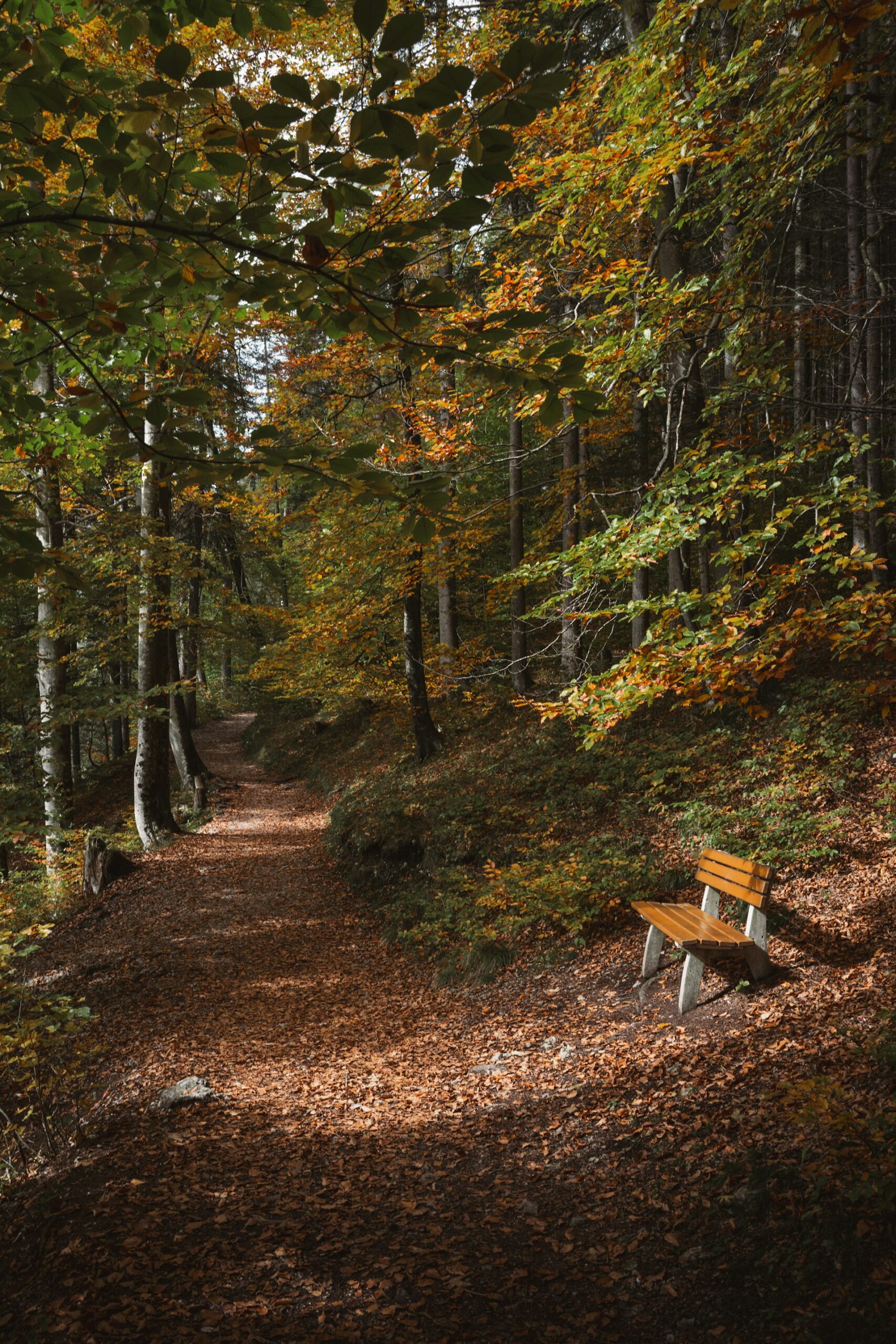
Solo Hiking in Kitsap: What I’ve Learned Going Alone
I started hiking solo because my friends kept bailing on me. That’s the honest answer. We’d make plans for Saturday morning at Green Mountain and then Friday night I’d get the texts: “Actually I’m pretty tired” or “Something came up” or my personal favorite, “It’s supposed to rain.” Yeah. It’s the Pacific Northwest. It’s always supposed to rain.
So sometime around March 2022 I just stopped waiting for people and started going by myself. And here’s the thing nobody told me: solo hiking is completely different from hiking with other people. Not better or worse, just different. The trails feel different. Your head feels different. The whole experience changes when you’re not trying to match someone else’s pace or fill the silence with conversation.
I’ve now done probably 150 solo hikes in Kitsap over the past few years. Some of them have been the best outdoor experiences of my life. A few have been genuinely sketchy situations where I questioned my judgment. Most have been somewhere in the middle—quiet mornings in the woods where nothing remarkable happens and that’s exactly why I keep going back.
Why Solo Hiking Hits Different
When you’re alone on a trail, you notice things you’d miss with company. Last November I was on the Ridge Trail at Port Gamble and I stopped to watch a pileated woodpecker absolutely demolishing a dead cedar for maybe fifteen minutes. Just stood there, binoculars up, completely entranced. If I’d been with someone, we probably would have glanced at it for thirty seconds and kept moving because you feel weird making another person stand around while you bird-watch.
There’s also something about the rhythm of solo hiking that I find meditative. You fall into your own pace. You stop when you want to stop. You take the side trail that looks interesting without having to negotiate with anyone. I’ve discovered some of my favorite spots in Kitsap purely because I was alone and thought “eh, what’s down there?” and just went to find out.
But I’ll be honest: it took me a while to get comfortable with the silence. The first few solo hikes I did, I kept putting in earbuds and listening to podcasts because the quiet felt weird. Now I almost never bring headphones. The forest sounds are better than anything in my podcast queue. The varied thrush has this bizarre ethereal whistle that sounds like something from a science fiction movie. You miss that with earbuds in.
The Safety Stuff (Because Someone’s Going to Ask)
My mom hates that I hike alone. She’s convinced I’m going to fall off a cliff and no one will find me for weeks. I’ve tried to explain that Kitsap doesn’t really have cliffs, but she remains unconvinced.
Here’s my actual safety approach, which I’ve developed through a combination of research and making dumb mistakes:
I always tell someone where I’m going and when I expect to be back. Always. Even if it’s just a quick loop at Fish Park. I text my wife the trailhead name and my expected return time before I leave the car. This is non-negotiable. The National Park Service recommends this as the single most important thing you can do for solo hiking safety, and I agree.
I carry more gear than I would with a group. My solo pack always has a headlamp (Black Diamond Spot 400, worth every penny), an emergency whistle, a basic first aid kit, more water than I think I’ll need, and an emergency bivy that I’ve never used but makes me feel better about existing. I wrote about my whole gear philosophy in another post if you want the details.
I stay on marked trails. This sounds obvious but it’s worth saying. Solo hiking is not the time to bushwhack or explore that “shortcut” that doesn’t look like a real trail. I got myself into a genuinely stupid situation at Port Gamble a couple years ago when I decided to cut cross-country to save time and ended up in a ravine that was much steeper than it looked from above. Took me an hour to find my way back to the actual trail. Very humbling. Very instructive.
I check in with myself about conditions. If the trail is icy or there’s been a windstorm or I’m just feeling off that day, I either pick an easier route or bail entirely. There’s no shame in turning around. Nobody’s watching. Nobody cares. The trail will be there next week.

The Best Solo Hiking Spots in Kitsap
Not all trails are equally good for solo hiking. Some feel too isolated; some are crowded enough that you’re not really alone anyway. Here’s where I actually go when I want quality solo time:
Green Mountain State Forest
This is my go-to. The Gold Creek Trail to the summit is long enough to feel like a real hike (about 4 miles round trip with 1,000 feet of elevation gain) but popular enough that you’ll see other people occasionally, which I find reassuring when I’m alone. I’ve done this hike probably forty times and I still love it.
The trick for solo hiking here: go on weekday mornings. You’ll have the trail mostly to yourself until about 10 am when the day-trippers start showing up. I try to be at the trailhead by 7:30, which means I usually hit the summit right around sunrise. Watching the sun come up over Hood Canal with no one else around is pretty special. I talked about this in my misty morning hikes post—there’s something about early solo mornings that just works.
Guillemot Cove Nature Reserve
This one’s interesting for solo hiking because the trail down to the cove is steep enough that you encounter fewer casual walkers. It’s mostly committed hikers, which means the crowd is smaller and more serious. I’ve done the full loop here alone probably twenty times and almost always have the beach to myself for at least a few minutes.
The downside: the climb back up is no joke, and if you twisted an ankle at the bottom, you’d have a rough time getting out. I’m always extra careful on the descent here when I’m solo.
Clear Creek Trail
This is my “I want to be alone with my thoughts but I also don’t want to commit to anything strenuous” trail. It’s flat, it’s close to town, and it’s long enough that you can walk for an hour without retracing your steps. Perfect for when I’m working through something mentally and just need to move.
I mentioned this in my after-work hikes post too—Clear Creek is great for those evenings when you need thirty minutes of nature before you can deal with anything else.
Point No Point
The trail here is short, but the beach is where the magic happens for solo time. I’ve spent entire afternoons just sitting on the driftwood watching the water and the birds and occasionally a seal. Nobody bothers you. Nobody talks to you. It’s the closest thing to meditation I’ve found that doesn’t involve actually trying to meditate.
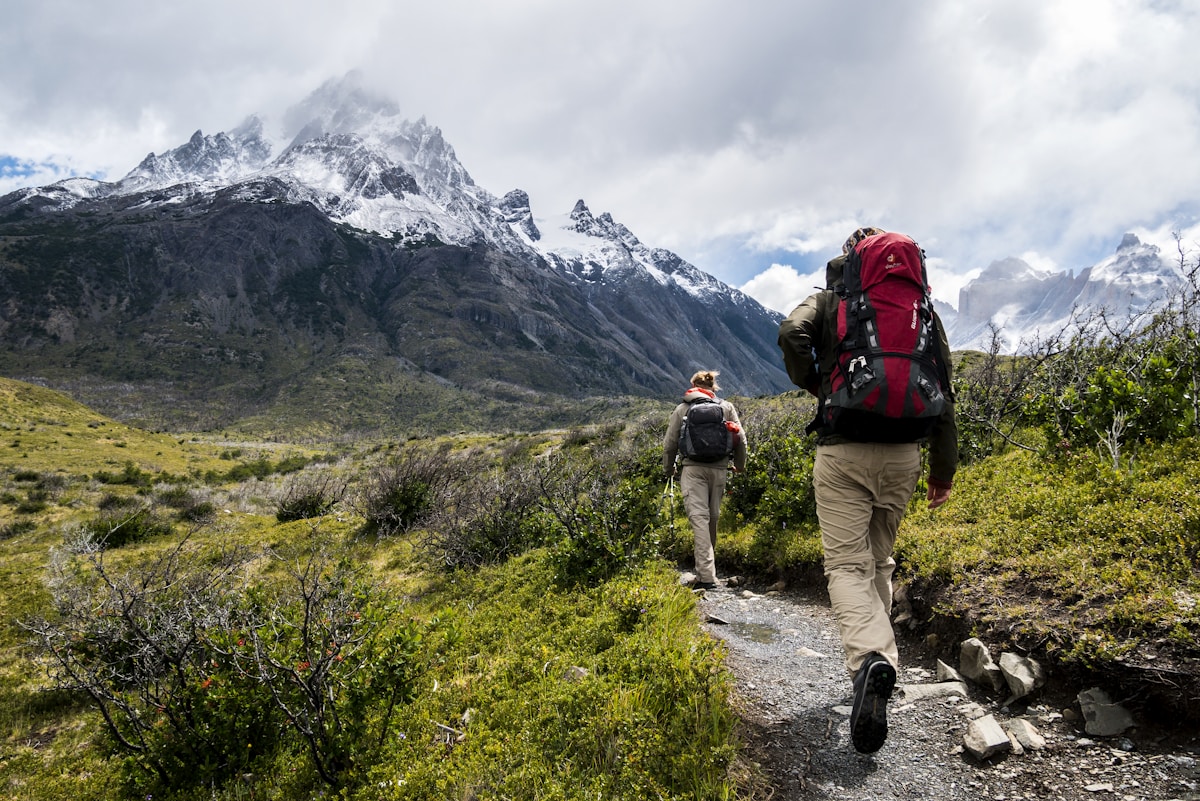
The Mental Side of Going Alone
Here’s something I didn’t expect: solo hiking has made me a lot more comfortable with my own company. I used to always need background noise—podcasts, music, whatever. Being alone with just my thoughts felt uncomfortable. Now I actively seek it out.
I’ve worked through a lot of stuff on solo hikes. Career decisions, relationship questions, that weird thing my dad said at Thanksgiving that I couldn’t stop thinking about. There’s something about the repetitive motion of walking combined with the absence of distractions that makes problems feel more manageable. I don’t know if it’s the endorphins or the nature or what, but I regularly come back from solo hikes with clarity I didn’t have when I started.
That said, solo hiking isn’t therapy. I’ve also had hikes where I spiraled into anxious thoughts for three miles and came back feeling worse than when I started. The solitude amplifies whatever mental state you bring to it. If I’m already in a dark place, being alone on a trail can make that worse. I’ve learned to pay attention to my headspace before I go and choose my hiking situation accordingly. Sometimes I need the solitude. Sometimes I need to call a friend and make them come with me.
Practical Stuff I Wish Someone Had Told Me
Your pace will be faster alone. I don’t know why this is, but I consistently finish trails 15-20% faster when I’m solo compared to hiking with others. Plan accordingly or you’ll end up back at the car with hours of daylight left and nothing to do.
Bring a camera or use your phone. Not for Instagram, but because having a “project” gives you something to do when you’re not sure what to do with yourself. I take way too many pictures of moss and mushrooms, but it makes me look more closely at things I’d otherwise walk past. I’ve got some thoughts on how I choose trails that touches on this too—sometimes the best trail is wherever you want to practice paying attention.
Tell people you hike alone. I used to be weirdly secretive about it, like it was something to be embarrassed about. Now I talk about it openly, and you know what? I’ve met several other solo hikers who were also doing it secretly. There are more of us than you’d think. We’re just quiet about it because society tells us everything should be done with other people.
Start with trails you know. Your first few solo hikes shouldn’t be on new trails where you might get lost. Build confidence on familiar ground, then expand from there. The Washington Trails Association has great trip reports that can help you gauge difficulty before you go.

When Not to Go Alone
I’m a solo hiking advocate, but I’m not reckless about it. There are situations where I always bring someone:
Anything technical. Scrambles, water crossings, trails with significant exposure. If a fall would be a big deal, I don’t go alone.
New trails I know nothing about. I’ll research beforehand using AllTrails and WTA trip reports, but if a trail is genuinely unfamiliar and remote, I want company the first time.
When I’m physically not feeling great. Tired, coming down with something, unusually stressed—these are all times when my judgment is compromised and I shouldn’t be making decisions alone in the backcountry.
Winter conditions. Ice, snow, rapidly changing weather. Kitsap doesn’t get extreme winter conditions, but when it does, solo hiking is off the table for me.
The Honest Truth
Solo hiking isn’t for everyone. Some people hate it and that’s completely valid. If you need the social element to enjoy hiking, embrace that and stop trying to convince yourself otherwise.
But if you’ve been curious about it—if you’ve ever thought “I’d like to hike today but no one’s available” and then just didn’t go—try it once. Pick a trail you know well, tell someone where you’re going, and see how it feels.
You might discover, like I did, that some of the best hiking experiences happen when no one else is there to share them. Which sounds sad when I write it out, but it’s actually the opposite. It’s learning that you’re enough company for yourself. That you don’t need external validation to have a good time outside.
And worst case, you walk in the woods alone for an hour and decide it’s not for you. That’s okay too. The trail doesn’t care either way.
— Rob Kinsley