
Rainy Day Hikes in Kitsap That Are Actually Better When It’s Wet
My wife thinks I’m insane for hiking in the rain on purpose. “There are dry days,” she points out, reasonably. “You could just wait for one of those.” And sure, I could. But here’s the thing she doesn’t understand: some trails are actually better in the rain. Like, measurably more beautiful. The colors pop differently. The forest smells different. The crowds disappear. You have to experience it to understand why anyone would choose to be damp.
I’ve been hiking in Kitsap rain for going on seven years now. Not every rainy hike is great—I’ve had plenty of miserable, soggy, “why did I do this” experiences. But I’ve also learned which trails transform into something magical when it’s wet and which ones just turn into muddy slogs. This is the guide I wish someone had handed me back when I was still trying to figure out if rain hiking was stupid or brilliant.
Spoiler: it’s a little of both.
Why Rain Hiking Is Worth It (Sometimes)
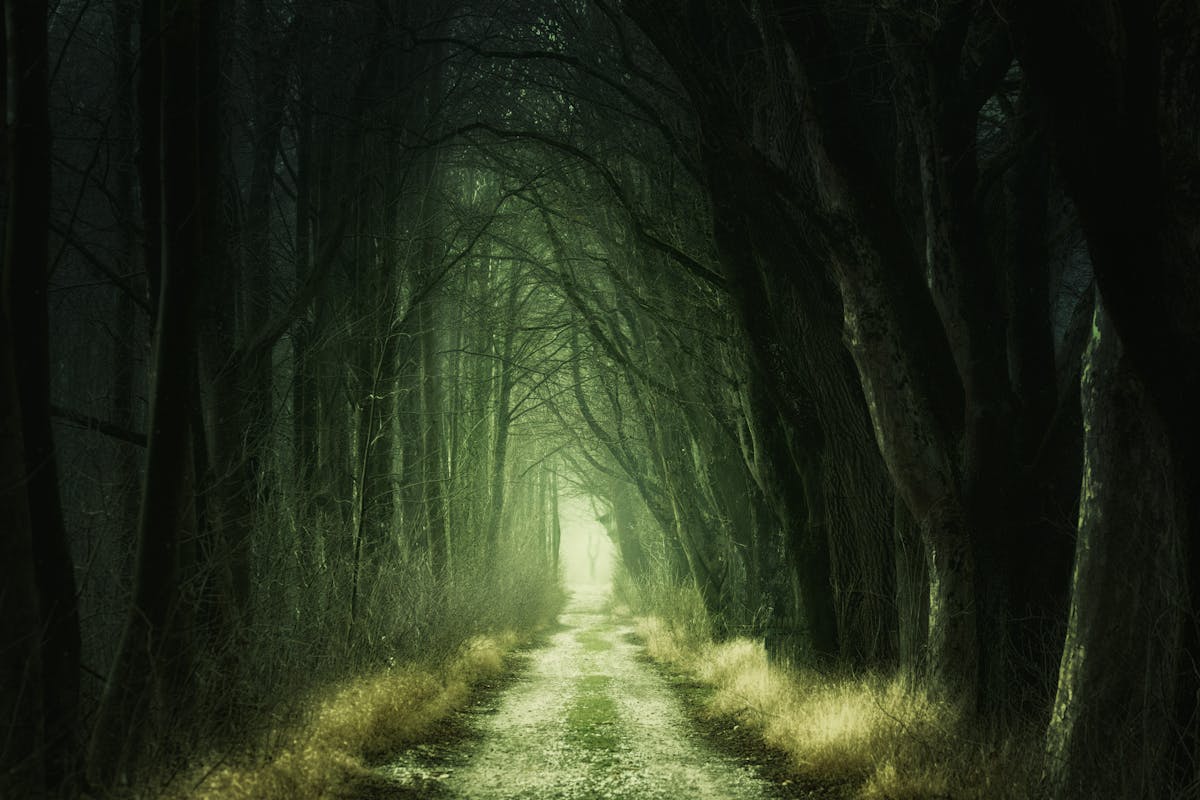
The Pacific Northwest in the rain is a completely different ecosystem than the Pacific Northwest in the sun. Everything gets more saturated—colors are deeper, moss is greener, the forest floor comes alive in ways that don’t happen when it’s dry. I took a photo at Green Mountain last March during a steady drizzle and the greens were so vivid my phone’s camera couldn’t quite capture them. It looked fake. It wasn’t.
Then there’s the smell. Petrichor is a real thing, and PNW forest petrichor is its own specific variety. Cedar and wet earth and decomposing leaves and something else I can’t name. I’ve tried describing it to people who haven’t experienced it and I always fail. It’s just something you have to smell yourself.
And the solitude. Oh man, the solitude. Trails that would have fifty people on a sunny Saturday? Empty. Maybe one other weirdo like me who’s learned the secret. I’ve had entire trail systems to myself in weather that’s objectively “bad” but subjectively perfect.
The old-growth forests in particular come alive in the rain. There’s something about the ancient trees dripping with water, the way the mist moves through the canopy, that feels primordial. Like you’re seeing the forest the way it’s supposed to look.
The Trails That Actually Work in Rain
Not all trails are good rain trails. Steep trails become mud slides. Exposed trails become wind tunnels. Creek crossings become impassable. Here’s where I actually go when the forecast says rain and I’m going anyway:
Grand Forest (Bainbridge Island)
This is probably my favorite rain hike in the whole area. The canopy is thick enough that you’re somewhat protected from the worst of the downpour—it’s like hiking under a living umbrella. The trails drain well compared to some of the clay-based trails elsewhere in Kitsap. And the forest itself transforms in the rain. The moss on the bigleaf maples glows this impossible shade of green.
I was here on January 4th this year during what I’d call “moderate rain”—steady but not torrential. The forest was absolutely dripping. Water running down every trunk, mist in the air, the whole atmosphere felt like being inside a cloud. I had the entire Main Trail loop to myself except for one dog walker who looked at me like I was crazy. Fair.
Getting here in the rain has an added bonus: the Bainbridge ferry ride is better in bad weather. Fewer tourists, more drama in the water and sky, and the Seattle skyline looks moody and cinematic through the rain. Check the ferry schedule before you go.
Clear Creek Trail (Silverdale)
Clear Creek is excellent in rain because: it’s flat so there’s no mud-slide situation, it’s well-maintained with good drainage, the creek itself is more impressive when it’s full and rushing, and it’s short enough that if you’re miserable you can bail quickly.
The salmon run in fall/winter coincides with rainy season, which is not a coincidence—salmon like rain too. I’ve stood on the little bridges here watching salmon fight their way upstream in the pouring rain and it’s one of those experiences that makes you feel connected to something bigger than yourself. Or maybe I was just cold and getting philosophical. Hard to say.
This is also a good after-work hike in the rainy months. Thirty minutes, close to town, gets your nature fix without major commitment.
Illahee Preserve
The forest sections of Illahee are beautiful in rain. Big trees, good canopy cover, that same magical green glow you get at Grand Forest. The trails here are a bit rougher than some of the more manicured options, which I actually prefer—feels more wild.
Fair warning: the beach section is less pleasant when it’s really coming down. Wind plus rain plus water views equals cold and exposed. I usually skip the beach portion if it’s actively raining hard and just do the forest loops instead.
Fish Park (Poulsbo)
This one comes with a major caveat: the boardwalks at Fish Park get EXTREMELY slippery when wet. Like, dangerously slippery. They’ve added grip tape in some sections, but I still walk like a newborn deer on ice whenever I’m here in the rain.
That said, if you’re careful about footing, the wetlands in rain are fantastic. Birds are more active (or at least more visible), the water levels rise and change the whole landscape, and there’s something peaceful about watching rain patter on the marsh. Just don’t fall.

What to Wear (Learned the Hard Way)
I have destroyed a lot of gear figuring out what actually works for rain hiking. Here’s where I’ve landed:
Your rain jacket matters more than anything else. This is not the place to cheap out. You need something that’s actually waterproof (not “water-resistant”) and that breathes well enough that you don’t end up soaked from sweat instead of rain. I went through four jackets before finding one that works—my current Patagonia Torrentshell has held up for three years of regular abuse. REI’s rainwear guide has good advice on what to look for.
Rain pants are optional but nice. I wore jeans on a rainy hike exactly once. Never again. Wet denim is its own special kind of misery. Now I either wear rain pants over hiking pants or just wear quick-dry pants and accept that my legs will be damp.
Waterproof boots or accept wet feet. Those are your options. I have Merrell Moab 3 Mids that are waterproof and they work great until the water level exceeds the height of the boot, at which point all bets are off. Some people swear by trail runners and just accepting wet feet from the start. I haven’t reached that level of enlightenment yet.
A hat with a brim. This seems small but it keeps rain out of your eyes and off your glasses if you wear them. Game changer. I have a Outdoor Research Seattle Sombrero that makes me look like a dork but keeps me dry.
I covered more of this in my hiking gear organization post if you want the full breakdown.
The Trails to Avoid in Rain
Learning where not to go was as important as learning where to go. Here’s what I skip when it’s wet:
Port Gamble Forest Heritage Park. The trails here are already confusing, and rain makes the navigation even harder. More importantly, the clay soil turns into an absolute skating rink. I’ve slipped and fallen here more times than I want to admit. Save Port Gamble for drier days.
Guillemot Cove in heavy rain. The trail down to the cove is steep and can get legitimately treacherous when wet. The meadow at the bottom floods. And the hike back up when everything’s slippery is no fun. Light drizzle is fine here; real rain is sketchy.
Any trail right after a major windstorm. Widow-makers—dead branches ready to fall—are a real hazard, and wind plus rain means trees and branches come down. Wait a day or two after big storms for trail crews to clear the worst of it.
The Mental Game
Here’s the honest truth about rain hiking: the hardest part is leaving the house. Once you’re actually on the trail and moving, it’s usually fine. But that moment of standing at the door looking at the rain coming down and knowing you’re about to go out in it on purpose? That takes a certain kind of stubbornness.
What helps me: I don’t give myself time to think about it. If I’ve decided I’m hiking today and it’s raining, I just gear up and go. No sitting around contemplating. No checking the forecast every fifteen minutes hoping for a break. Just go.
Also helps: having a reward planned for after. Hot coffee at a specific coffee shop. A warm shower waiting at home. Something to look forward to on the other side of the wet. I usually stop at Hot Shots Java in Silverdale or Cups in Poulsbo and sit there steaming slightly while I drink something warm. It’s part of the ritual now.
When Rain Hiking Is a Bad Idea
I’m not a complete maniac about this. There are conditions where I stay home:
Thunderstorms. We don’t get many in Kitsap, but when we do, being on an exposed ridge or near tall trees is genuinely dangerous. The National Park Service lightning safety guidance is worth reading.
Flooding warnings. Low-lying trails near creeks and wetlands can become impassable or dangerous during flood conditions. Check conditions before you go.
Freezing rain. This is rare in Kitsap but when it happens, stay home. Trails become ice rinks. It’s not worth it.
When I’m already cold or getting sick. Rain hiking works because moving generates body heat. If I’m already feeling run down, the cold and wet will make things worse. I’ve learned to read my body and skip it when skipping is the smart move.
Honestly Though
Rain hiking isn’t for everyone. Some people hate being wet and nothing I say will change that. That’s fine. There are plenty of dry days in the Pacific Northwest—we get a surprisingly nice summer, and even winter has breaks.
But if you’ve ever looked out the window on a rainy Saturday and felt a little pull toward going outside anyway, I’d encourage you to try it. Just once. Gear up properly, pick a forgiving trail (I’d start with Grand Forest or Clear Creek), and see how it feels.
You might hate it. You might come back cold and soggy and annoyed and never do it again.
Or you might discover what I discovered: that there’s a whole other version of these forests that only reveals itself when everyone else is staying dry. And that being a little uncomfortable is a small price for having it all to yourself.
— Rob Kinsley