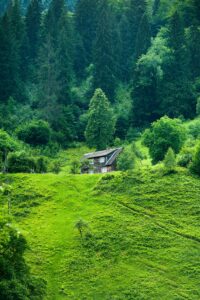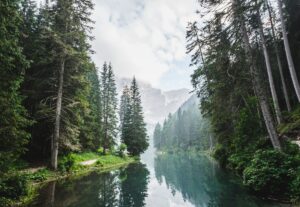


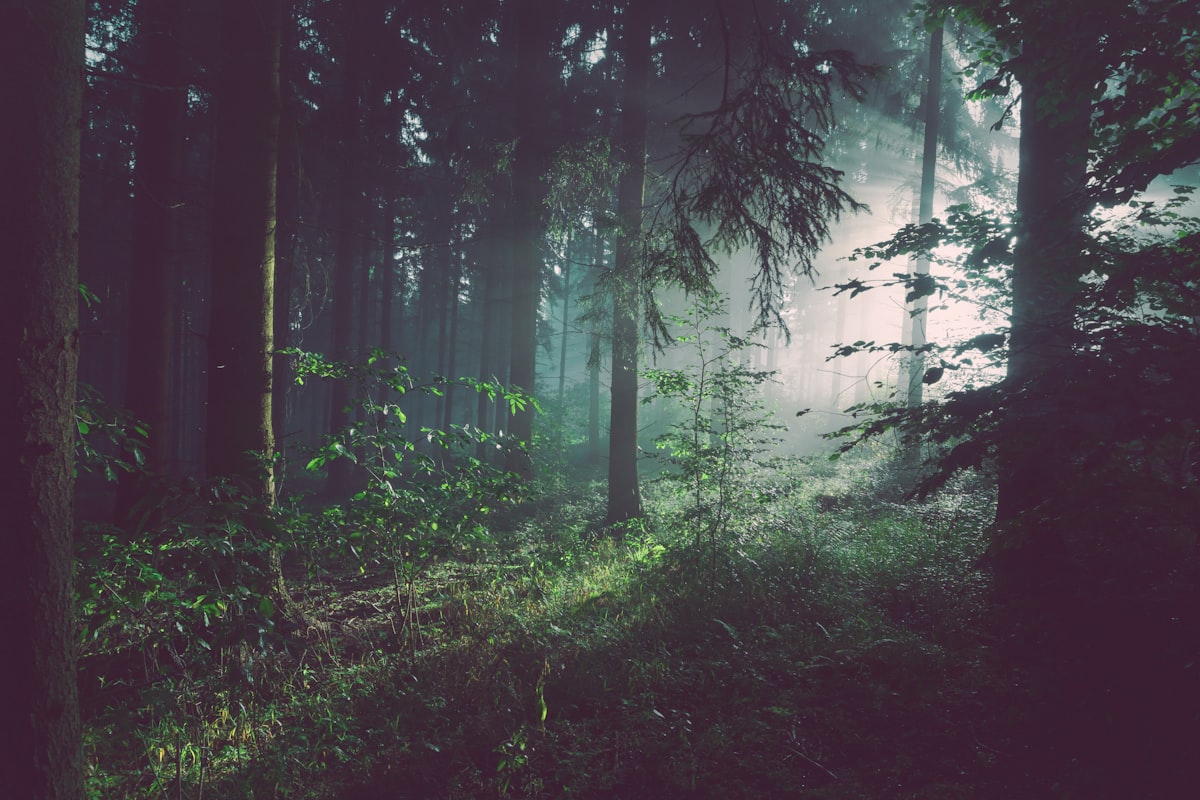
Okay so there’s this thing that happens every single time I walk into an old-growth forest out here. The temperature drops maybe five degrees, the light changes—gets softer, greener somehow—and everything goes quiet in a way that’s hard to describe if you haven’t felt it. It’s not silence exactly. More like the forest is just doing its thing and doesn’t particularly care that you showed up.
What Even IS an Old-Growth Forest?
So here’s the thing—”old-growth” isn’t just “old trees.” I mean it is that, but it’s also a lot more complicated. The National Park Service has the technical definition, but basically you’re looking at:
- Trees that are OLD old. Like 250 to 1,000+ years. Some of the cedars out there were seedlings when the Magna Carta was signed which is just wild to think about
- Different canopy layers—it’s not just tall trees, there’s this whole vertical ecosystem thing happening
- Nurse logs everywhere (those are the fallen giant logs that other trees grow out of—nature’s weirdest and coolest recycling program)
- Standing dead trees (snags) that woodpeckers love
- The forest floor is basically this deep spongy carpet of decomposing stuff that’s been building up forever
When I try to explain it to someone who hasn’t been, I usually say something like “it’s where the trees got time to develop personalities and the whole system figured out how to take care of itself.” Which sounds cheesy but it’s true.
Good Trails to Start With
Alright here are some of my go-to recommendations for people who want to experience old-growth without doing anything too intense.
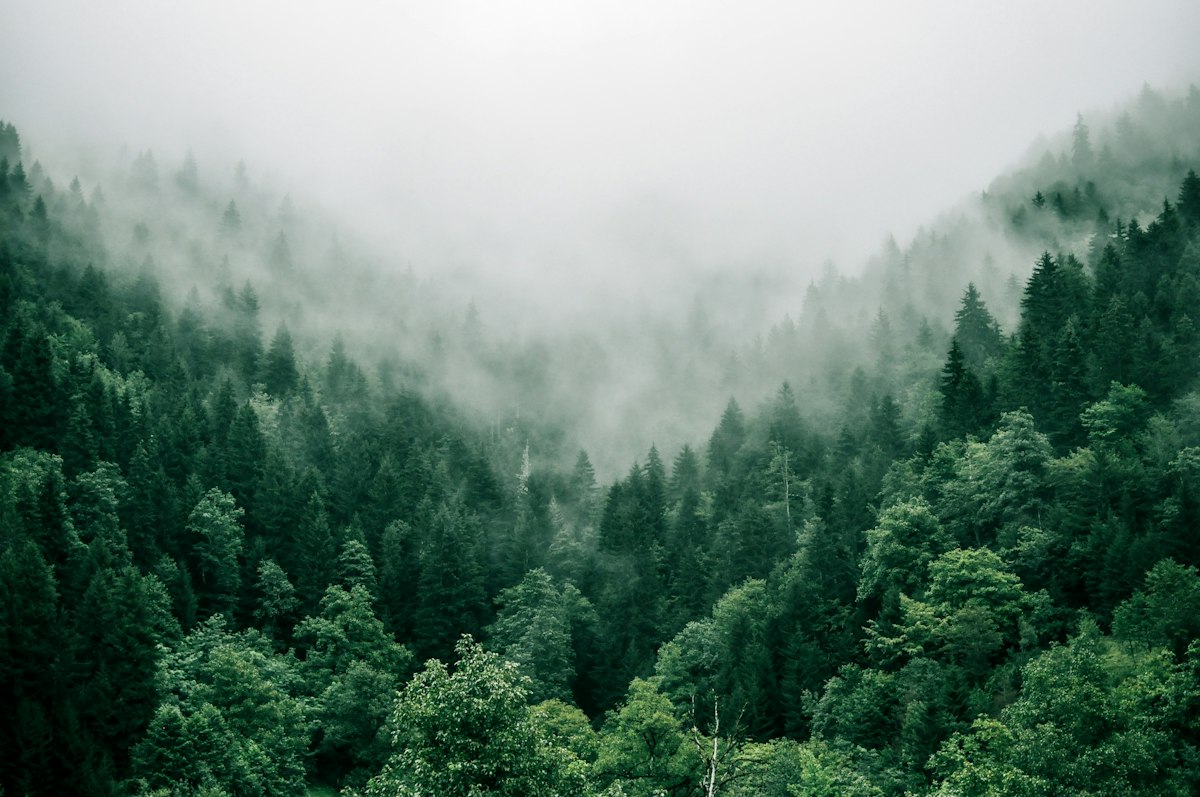
Thunder Creek Trail — North Cascades National Park
This one’s great because you hit the big trees almost immediately. Huge cedars and Douglas-firs that make you feel ridiculous for being human-sized. The trail itself is pretty gentle for the first few miles and you’ve got Thunder Creek running alongside so there’s always that water sound in the background which I find really calming for some reason.
The official NPS page has details on access and permits. Worth checking recent trip reports on AllTrails too since conditions change.
Indian Creek Trail — Lake Wenatchee Area
There’s this one cedar right near the trailhead that’s so massive you could probably fit three people behind it in a rainstorm. I’m not exaggerating—I’ve actually done this. The whole trail stays pretty lush and quiet. Good for easing into old-growth without committing to a huge day.
Check trail conditions here. And if you’re new to trail prep, I wrote up how I organize my gear which might help.
Oregon Has Some Good Ones Too
If you’re down in Oregon or planning a trip south, these are worth knowing about:
Hackleman Old-Growth Trail — Willamette National Forest
Short loop, really accessible, and if you catch it on a foggy morning it’s absolutely magical. Sometimes too foggy actually—I’ve been out there when I could barely see 20 feet but that’s part of the experience I guess.
The Forest Service page has current closure info.
Frances Shrader Old-Growth Trail — Oregon Coast Range
Only 0.8 miles which is perfect if you’re short on time or hiking with kids. The Douglas-firs here are massive and there’s this smell—kind of salty, kind of cedar-y—that you only get near the coast. It’s different from the Cascades old-growth in a way that’s hard to put into words.
Trail details on the USFS site.
Middle Fork–Sacandaga Trail
About 2.5 miles, nice and mellow. Wildflowers in spring if you time it right, good shade the rest of the year. I did this one in July last year and it was a solid 15 degrees cooler under the canopy than at the trailhead.
AllTrails has the route details.
Don’t Be That Person (How to Not Wreck These Places)
Look, I learned Leave No Trace the hard way. Yes, even banana peels count—they don’t belong in PNW forests and they take forever to break down. The soil in old-growth is wild delicate and it recovers really slowly when it gets damaged.
The Washington Trails Association has a solid Leave No Trace guide if you want the details.
- Stay on trail. I know the shortcut looks tempting but you’re stomping on roots and plants that took decades to establish
- Pack out literally everything—wrappers, orange peels, all of it
- Don’t climb on the nurse logs. I see people doing this for photos and it’s annoying because those logs are actively helping new trees grow
- If there’s a closure sign, respect it. They’re not doing it to be jerks
- Keep the noise down, wildlife doesn’t love crowds
Stuff I Wish Someone Had Told Me Before My First Trip
Layer up: Old-growth is always colder and wetter than you think it’ll be. The trailhead might be sunny and 70 but once you’re under that canopy it’s a different world.
Go early if you can: I’m not a morning person but the forests are so much better before 10am. Quieter, better chance of seeing animals, and the light is incredible.
Waterproof boots: There is always mud. Always. I don’t care if it hasn’t rained in two weeks.
Photography thing: Overcast days are actually your friend here. Sunny days create too much contrast and you lose detail. Gray skies make everything glow.
Download offline maps: Cell service is basically nonexistent under heavy canopy. AllTrails lets you download maps ahead of time and I’ve needed that feature more times than I want to admit. If you’re traveling to trailheads a lot, I also wrote about why keeping your space organized makes trips easier—sounds random but it actually helps.
Some Related Stuff on My Site
- Why Old Forests Feel Different (I go deeper into the weird emotional thing that happens)
- How I Keep My Hiking Gear Organized
- Why a Cleaner Room Makes Travel Better (random but true)
Why This Matters (The Ecology Stuff)
Okay so here’s something wild—old-growth forests in the Pacific Northwest can hold over 1,000 tons of biomass per acre. That’s more than basically any other ecosystem in the United States. They store absolutely massive amounts of carbon (way more than younger forests), and they provide habitat for species that literally can’t survive anywhere else. Northern spotted owls, marbled murrelets, certain salamanders—they need these specific conditions.
The whole system took centuries to develop. When you’re standing next to a 700-year-old tree it kind of puts your day-to-day stress in perspective you know?
Things out there grow slow. Heal slow. And honestly I think there’s something to learn from that—not everything needs to happen fast.
Common Questions About Old-Growth Hiking
What is considered old-growth in the PNW?
In the Pacific Northwest, old-growth usually means trees that are at least 200-250 years old, but many are 500-1,000+ years. It’s not just about tree age though—you’re looking for multiple canopy layers, big standing dead trees (snags), nurse logs everywhere, and that deep spongy forest floor. The National Park Service definition I linked earlier gets into the technical details, but honestly you’ll know it when you see it. The whole vibe is just different.
Where can I see old-growth forests near Seattle?
Thunder Creek in North Cascades is about 2.5 hours from Seattle and has some of the most accessible old-growth I’ve found. Indian Creek near Lake Wenatchee is another solid option—roughly 2 hours out. If you don’t want to drive that far, the Ancient Lakes Trail has some decent old-growth Douglas-fir sections, though it’s not as dramatic as the deep forest stuff. Carbon River area in Mount Rainier National Park also has some great stands if you’re willing to deal with the weekend crowds.
Where can I see old-growth forests near Portland?
You’ve got options. The Hackleman Trail in Willamette National Forest is maybe 90 minutes east—super accessible, short loop. Frances Shrader in the Coast Range is closer (about an hour) and gives you that coastal old-growth feel. Opal Creek is probably the most famous one near Portland but it gets absolutely slammed on weekends. Go on a weekday if you can or honestly just skip it and try one of the quieter spots.
Are old-growth forests safe to hike alone?
Yeah, generally. I hike solo all the time. The trails I listed here are pretty well-maintained and see decent traffic during hiking season. That said, basics apply—tell someone where you’re going, bring the ten essentials, download offline maps, and trust your gut. Weather can shift fast under the canopy so check forecasts. Wildlife isn’t usually an issue in old-growth (black bears will avoid you, cougars are shockingly rare). The bigger risks are honestly just getting lost or twisting an ankle, same as any hike.
What month is best for PNW old-growth hikes?
Depends what you want. July through September gives you the most reliable weather and dry trails—this is peak season so expect more people. I actually really love May and early June because everything’s incredibly green and the wildflowers are going off, but you’ll deal with mud and some lingering snow at higher elevations. October can be beautiful with fall colors and way fewer crowds, though rain picks up. Winter hiking is possible on lower elevation trails but it’s wet, dark early, and kind of miserable unless you’re into that. Personally? Late September is my sweet spot—still decent weather, way fewer people, and the light gets really beautiful.
Anyway. Go check one out if you haven’t. Bring good boots.
— Rob Kinsley