
My Hiking Gear Has Changed a Lot (What I Use Now vs When I Started)
I found a photo from my first “real” hike in Kitsap—sometime in 2018, Green Mountain, wearing cotton jeans and Converse sneakers. I had a drawstring backpack from some conference. I was carrying a single water bottle that was maybe 16 ounces. I look at that photo now and I genuinely don’t know how I survived.
Six years later, my gear situation is… different. Not because I’ve become some ultra-light thru-hiker or anything—I still just do day hikes around Kitsap. But I’ve learned through a lot of trial and error (heavy emphasis on error) what actually matters for the hiking I do and what’s just marketing nonsense designed to separate me from my money.
This isn’t a “best gear” list because I have no idea what’s best for you. This is just an honest accounting of what I actually carry now versus what I used to carry, and why things changed.
The Pack Itself
Then: That drawstring bag, followed by a random JanSport I had from college, followed by a cheap 40L backpack from Amazon that fell apart after six months.
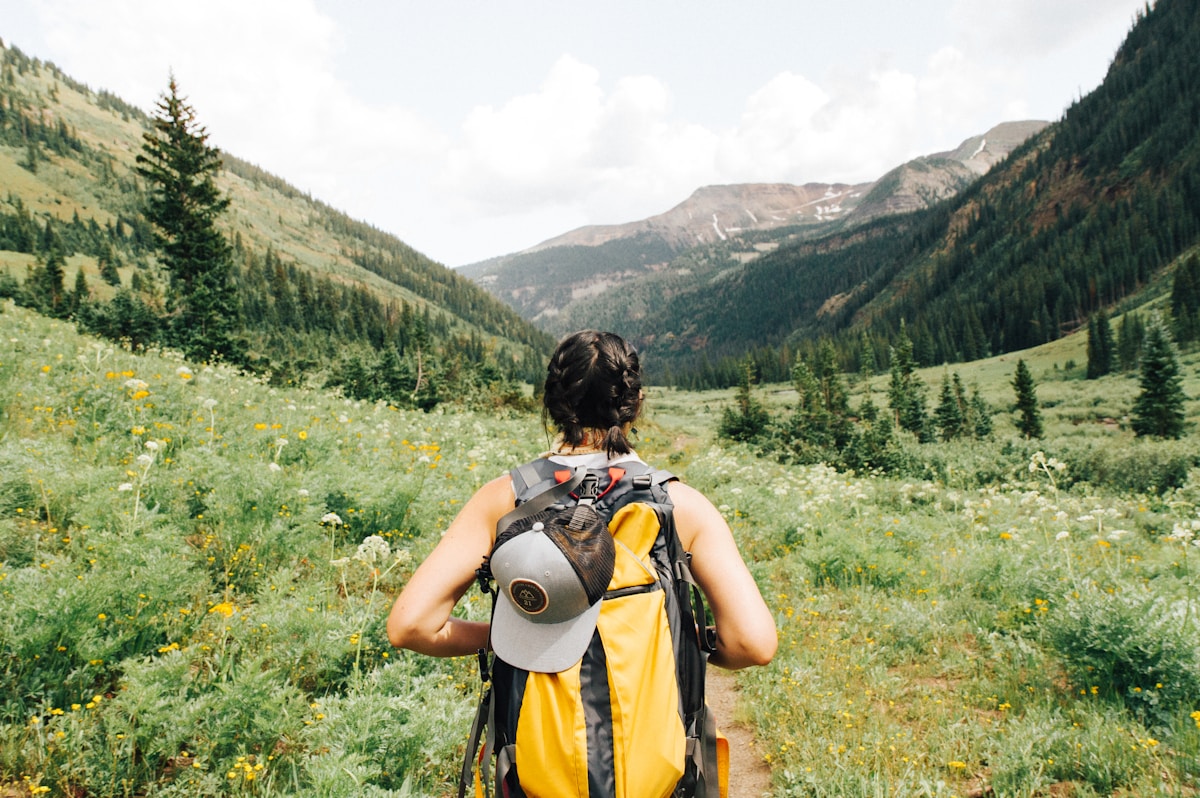
Now: Osprey Talon 22. I’ve had it for four years and it’s still going strong. The hip belt actually distributes weight properly—something I didn’t know was possible until I experienced it. The hydration sleeve fits my 3L bladder. There are enough pockets that I can organize things but not so many that I lose track of where everything is.
What I learned: For day hiking, you don’t need a huge pack. I was carrying a 40L because I thought bigger was better, but it just meant I filled it with stuff I didn’t need and gave myself back pain. The Talon 22 forces me to be intentional about what I bring. I wrote more about this in my backpack review—that post was actually about a different pack but the principles are the same.
Footwear
Then: Converse. Then Vans because I thought they were “better for outdoors.” Then some cheap hiking boots from Costco that gave me blisters so bad I couldn’t walk for three days after a Port Gamble hike.
Now: Merrell Moab 3 Mid Waterproof for most hikes. Altra Lone Peak trail runners for dry summer days when I want something lighter. The Merrells are on their second pair—I wore through the first ones after about 400 miles and immediately bought the same thing again because they just work for my feet.
What I learned: Fit matters more than brand or features. I tried Salomon, tried Keen, tried a few others—they all got great reviews but none of them fit my weird feet right. The Merrells happen to match my foot shape. Yours might be different. Go to an actual outdoor store, try things on, and walk around. Don’t just order based on reviews.
Also learned: waterproof isn’t always better. In summer, waterproof boots make your feet sweat like crazy. That’s why I have the Altras for dry conditions. Different tools for different jobs.
I talked about footwear more in my travel shoes post, though that was more about travel generally.
Rain Gear
Then: A gas station poncho. I’m not joking. A literal plastic poncho that cost $4 and made me look like a walking garbage bag. It also didn’t actually keep me dry because the rain just blew up underneath it.
Now: Patagonia Torrentshell jacket (bought used on eBay for $60, which I’m still proud of) and a pair of Outdoor Research Ferrosi pants that are water-resistant enough for light rain and dry fast when they do get wet.
What I learned: Cheap rain gear is worse than no rain gear because it gives you false confidence. I got caught in a genuine downpour at Guillemot Cove once wearing my poncho and ended up more soaked than if I’d just worn a regular jacket—the poncho trapped sweat and let rain in through every gap. I was cold, wet, and miserable for the entire hike out. Never again.
The Torrentshell isn’t fancy but it works. It breathes reasonably well, the hood fits over a hat, and it’s held up to years of PNW weather. REI has good guidance on what to look for in rain gear if you’re shopping.

Hydration
Then: One 16oz water bottle that I’d forget to fill half the time.
Now: 3L Osprey Hydraulics bladder in my pack plus a 32oz Nalgene as backup. I know, this seems like overkill for Kitsap day hikes, but I’ve been dehydrated enough times to learn my lesson. Also the Nalgene doubles as a place to put drink mix or electrolytes without contaminating my main water supply.
What I learned: I drink more water when I don’t have to stop and dig out a bottle. The hydration bladder with a hose means I sip constantly instead of chugging at rest stops. Game changer for how I feel at the end of hikes. I wrote about this a bit in my gear that saved my back post—staying hydrated actually helps with muscle fatigue more than I realized.
Navigation
Then: “I’ll just follow the trail, how hard can it be?” (Narrator: it was hard.)
Now: AllTrails downloaded offline on my phone, a Garmin inReach Mini for actual emergencies, and occasionally a paper map for places like Port Gamble where even the apps get confused.
What I learned: Getting lost sucks and is embarrassing. I have gotten lost multiple times in Port Gamble Forest specifically, including one time that turned a 3-mile hike into a 7-mile hike and had me genuinely worried about daylight. The inReach is probably overkill for Kitsap—I got it for some Olympic Peninsula trips—but having the ability to send an SOS if everything goes wrong gives me peace of mind.
The Washington Trails Association app is also great for trip reports and trail conditions, even if you’re using something else for actual navigation.
The Ten Essentials (Kind Of)
I was vaguely aware of the “Ten Essentials” when I started hiking but didn’t really take them seriously. Now I carry most of them, though my version is adapted for Kitsap day hiking specifically:
Navigation: phone with downloaded maps, plus paper backup for confusing trails.
Sun protection: sunscreen (yes, even in the PNW), sunglasses, a hat.
Insulation: extra layer in my pack, always. Usually a lightweight down puffy that packs small.
Illumination: Black Diamond Spot 400 headlamp. Non-negotiable. I’ve needed it twice when hikes took longer than expected and I was hiking out in the dark.
First aid: basic kit with blister treatment, pain relievers, antiseptic, bandages. I’ve used the blister stuff way more than anything else.
Fire: waterproof matches in a ziploc. Never used them. Hope I never do.
Repair tools: small multi-tool, duct tape wrapped around my trekking pole. The duct tape has come in handy multiple times for gear fixes on the trail.
Nutrition: more food than I think I need. Trail mix, bars, sometimes a sandwich. I’ve been caught out hungry before and it’s miserable.
Hydration: covered above.
Emergency shelter: a SOL emergency bivy that weighs nothing and lives in the bottom of my pack. Again, never used it, but if I ever get stuck overnight, I’ll be glad it’s there.
Things I Stopped Carrying
Not everything I’ve tried has stuck. Here’s stuff that seemed like a good idea but didn’t make the cut:
Trekking poles on easy trails. I have a pair of Black Diamond Distance Carbon Z poles and they’re great for steep stuff or long days, but for a casual 4-mile loop at Green Mountain? They’re just annoying to carry. I bring them maybe 30% of the time now.
A full-size camera. I went through a phase of carrying my DSLR on every hike. The photos were great but the weight and hassle weren’t worth it. Now I just use my phone for 90% of trail photos. The iPhone camera is good enough for my purposes and it’s always in my pocket anyway.
Bear spray. We don’t have grizzlies in Kitsap and black bears here are extremely shy. I carried bear spray for my first year of hiking because I was paranoid. Never came close to needing it. It’s still in my closet for trips to actual bear country.
A huge first aid kit. I used to carry enough medical supplies to handle a small disaster. Now I carry enough to handle the things that actually happen to me: blisters, minor cuts, headaches. The big kit stays in the car.
What I’d Tell Beginning Me
If I could go back and talk to 2018 Rob in his Converse and jeans, I’d say:
Start with decent footwear and build from there. Everything else is secondary. Your feet touch the ground thousands of times per hike and if they hurt, nothing else matters.
Buy used gear when you can. My Torrentshell, my first good pack, several base layers—all used, all totally fine. Outdoor gear holds up well and there’s a huge secondhand market. No reason to pay full price for most things.
Don’t buy things until you know you need them. I wasted money on stuff I thought I’d need based on gear lists and reviews, then never used it. Better to go on hikes, notice what’s missing, and address specific problems as they arise.
The marketing is mostly lies. You don’t need the $400 jacket or the $200 boots to hike in Kitsap. Mid-range gear works fine for what we do here. Don’t let outdoor companies convince you otherwise.
That said: don’t cheap out on the things that matter. For me that’s footwear, rain jacket, and pack. Everything else can be budget options.
The Current Kit
For reference, here’s what I actually carry on a typical Kitsap day hike as of early 2026:
Osprey Talon 22, Merrell Moab 3 Mid boots, Patagonia Torrentshell jacket, Outdoor Research sun hat, Smartwool base layer top, whatever hiking pants, 3L hydration bladder plus 32oz Nalgene, Black Diamond headlamp, basic first aid kit, extra layer, snacks, phone with downloaded maps, and the emergency stuff that lives in the bottom of my pack permanently.
Total weight is maybe 8-10 pounds depending on water and food. It’s comfortable, I have what I need, and I’m not carrying stuff I don’t use.
Could be lighter. Could be fancier. But it works for me, and that’s what matters.
Check out my other gear posts if you want more detail: organizing hiking gear, simple packing rules, and gear that saved my back.
— Rob Kinsley
